Four hours a night on the couch works out to roughly 1,400 hours a year, and plenty of households beat that. Movie nights, homework, naps, sick days, the dog. Every one of those hours leaves something in the fabric, and almost none of it is visible.
We clean a lot of sofas that look fine. The owners call because someone in the house has allergies that act up in that room, or because the couch "just feels grimy" in a way they can't point to. Both are reasonable reasons to call.
What builds up in the weave
Upholstery fabric works like a slow filter. Dust settles on it from the air. People and pets shed skin flakes and dander into it every time they sit. Dust mites live on those flakes, deep in cushions where the vacuum never reaches. Spring pollen drifts in through doors and on clothes, and around Humble that pollen season runs long.
Body oil is the other big one. It's why the armrests and the top of the back cushion get darker than the seat. Oil grabs onto dust and holds it, which is how light fabric goes gray in patches over a year or two.
None of this is a reason to panic. It is a good reason the couch should get a real cleaning every so often, especially if anyone in the house sneezes their way through movie night. Vacuuming pulls up the loose layer on top. It doesn't get what's packed into the fibers and the cushion underneath.
Why DIY foam and rented machines leave rings
We see the results of home attempts all the time, and they tend to look the same.
Upholstery shampoo and foam sprays are mostly soap. Any soap left in the fabric (and on a sofa, some always gets left) dries into a sticky film that pulls in new dirt. The spot you cleaned gets darker again within a few weeks, often darker than before.
Rented upholstery attachments go the other way. They put a lot of water into the fabric and don't pull nearly all of it back out. Wet cushions dry slowly, especially on a humid day with the house shut. As they dry, the water wicks dirt and fabric dyes outward and leaves a brown or tan ring at the edge of where you cleaned. On some fabrics, water alone causes rings even when the fabric was clean. That's the tide line people end up calling us about.
Over-wetting also has a smell problem. Foam that stays damp can go musty, and now the couch smells worse than when you started.
What a professional visit does differently is mostly control. Our technician checks the fabric and its cleaning code first, tests anything questionable on a hidden spot, and pre-treats the worst areas: arms, headrests, pet spots. The fabric is then cleaned with a low-moisture method and a solution that leaves no soap behind, so it doesn't get sticky and re-soil. Most furniture is dry and back in use the same day.
Fabrics and what they'll tolerate
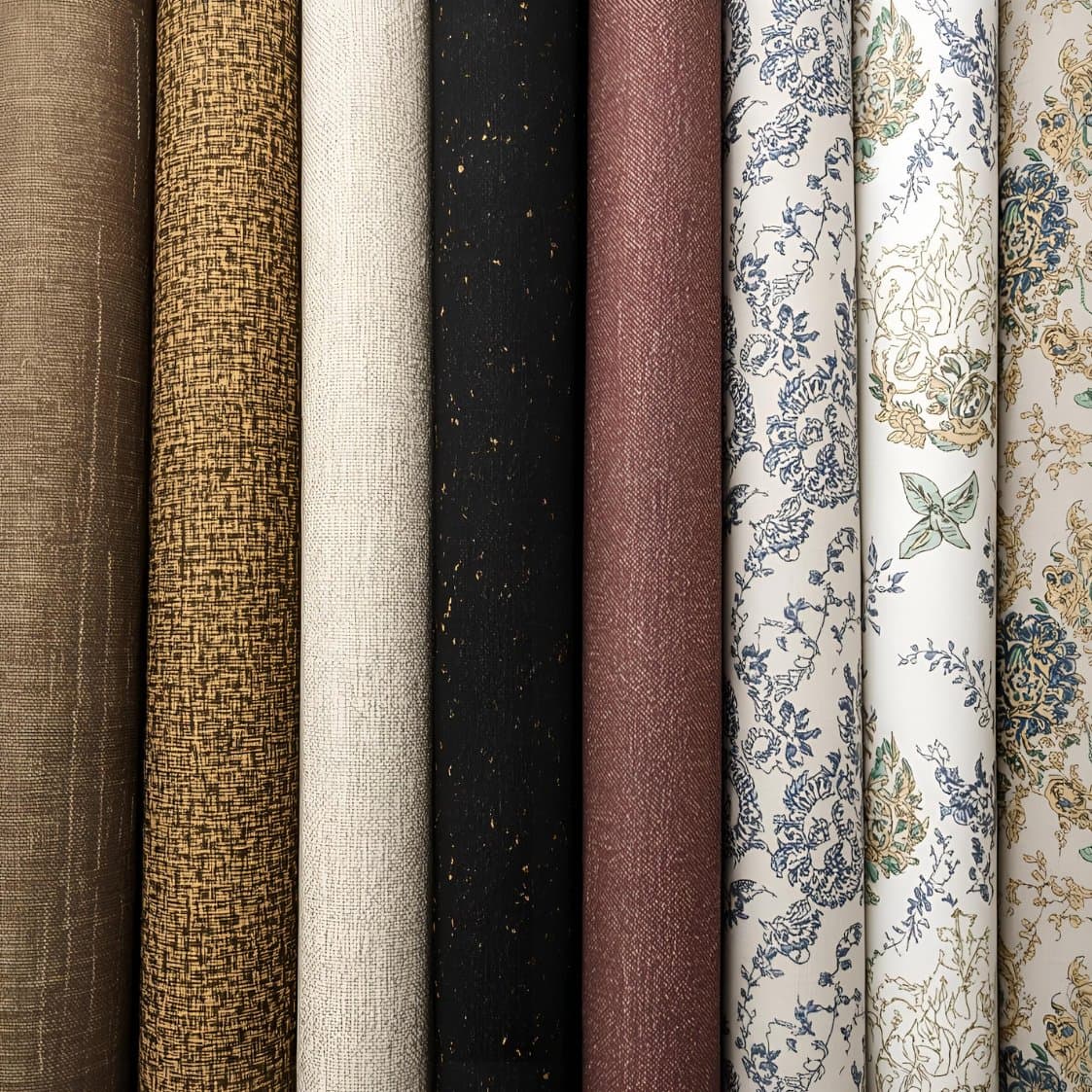
Every sofa has a tag with a code. W means water-based cleaning is fine. S means solvent only. WS means either. X means vacuum only. That code decides a lot of what can be done. Here's how the common fabrics behave:
Microfiber is the most common family-room fabric we see, and it's tough on stains but holds onto oil and odor. It cleans up well and can look streaky if it's left wet, so low moisture matters.
Cotton and cotton blends are comfortable and breathable and soak up spills fast. They're also prone to water rings and shrinking, so they need a light touch and a solution that's gentle on dyes.
Linen looks great and is fussy. It wrinkles, it rings easily, and it can brown if it stays wet. We test linen every time.
Polyester and other synthetics are the easiest. They're stain-resistant and handle cleaning well.
Wool upholstery behaves a lot like a wool rug: durable, but it doesn't like high-pH cleaners or heat.
Velvet needs to be cleaned and then groomed so the pile dries standing the right way, or it'll show marks.
Leather
Leather is outside our service. It needs its own products and its own kind of shop, so if your couch is leather, a leather specialist will save us both the trip.
How often, by household
There isn't one right answer, so here's where we'd start:
- Adults only, no pets, furniture used daily: every 12 to 18 months.
- Kids at home: every 9 to 12 months. Snacks on the couch shorten that.
- Pets allowed on the furniture: every 6 to 12 months.
- Someone with allergies or asthma who spends a lot of time in that room: about every 6 months.
If you only do one thing between visits, vacuum the couch weekly with the upholstery tool, including under the cushions. That alone cuts down a lot of the dust and dander that would otherwise work its way in.
A professional cleaning won't fix fabric that's worn through or foam that's gone flat. It will get out years of oil, soil, and dander you didn't know were there, and the couch will feel different when you sit on it. Our upholstery coupon is $25 off, and you can call 346-662-0980 if you want to describe the fabric first and get a straight answer on what we can do.