Menu
close
Same-Day Service Available!
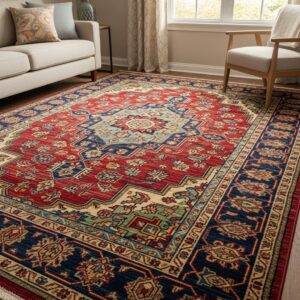
Area rugs do a lot of work in a home. They soften busy spaces, add warmth to hardwood or tile, protect floors, and often carry the style of the whole room. Here in Humble, Texas, rugs also deal with plenty of real-life messes. Mud from outside, food spills, pet accidents, tracked-in moisture, and everyday foot traffic all leave their mark. When a stain shows up, most homeowners want the same thing: get it out fast without ruining the rug in the process.
That is where area rug cleaning gets tricky. Removing the stain is only half the job. The other half is protecting the color, texture, and overall condition of the rug. A rushed cleaning attempt can create new problems like color bleeding, fading, rough fibers, water rings, or a patch that looks cleaner than the rest of the rug. In some cases, the stain is not what causes the biggest damage. The wrong cleaning method does.
We have spent more than 30 years helping families care for carpets, rugs, and upholstery with a cleaning philosophy built around safety, convenience, and real results. Safe-Dry’s broader approach focuses on hypoallergenic, soap-free cleaning without harsh chemicals, along with fast-drying methods designed to leave surfaces cleaner and residue-free. That kind of thinking matters for rugs because rugs often need a gentler and more controlled approach than wall-to-wall carpet.
Not all rugs respond the same way to cleaning. Synthetic area rugs may handle light spot cleaning fairly well, while wool, cotton, jute, handwoven, vintage, and specialty rugs can react very differently. Some dyes are stable. Others can shift or bleed if too much moisture or the wrong cleaning product is used. The IICRC’s consumer stain-removal guidance warns that certain stain-treatment steps, including hydrogen peroxide, are not recommended for wool or other natural fibers without extensive testing for possible color loss.
That is why stain removal should never start with panic scrubbing. A rug can go from stained to permanently damaged very quickly if the dye is disturbed. With area rug cleaning, the safest approach is usually the most controlled one. Slow blotting, product testing, light moisture, and attention to fiber type all matter more than force.
Families in Humble want clean rugs, but they also want practical solutions that fit real life. Kids play on rugs. Pets nap on rugs. Guests walk across them. The rug is part of the home, not just decor. That is one reason we believe the cleaning process should feel family-safe and sensible from start to finish. Safe-Dry’s brand approach is built around safer cleaning methods, low-moisture thinking, and the goal of leaving surfaces dry faster and free from sticky residue that can attract more dirt later.
When people look for area rug cleaning in Humble, Texas, they are usually trying to solve two problems at once. They want the stain gone, and they want the rug to still look like their rug when the cleaning is done. That balance is exactly what this guide is built to help with.

The first step is not grabbing a cleaner. It is figuring out what kind of rug you are dealing with. This matters because different fibers respond in different ways to moisture, agitation, and spot treatment. A synthetic rug made from nylon or olefin may be more forgiving than a wool rug, a cotton flatweave, or a delicate decorative rug with unstable dyes. Jute and other natural plant fibers can be especially sensitive to water and may discolor or distort if over-wet.
If you still have the care tag, check it first. If not, look at the rug’s material, texture, and construction as closely as you can. Handmade and specialty rugs deserve extra caution. If the rug feels delicate, has rich or saturated colors, or appears older or more decorative than functional, treat it as color-sensitive until proven otherwise.
This step helps prevent one of the most common mistakes in area rug cleaning: using a stain-removal method that works on one rug but damages another. A rug stain is frustrating, but color loss is usually worse because it can be permanent. Before trying to remove anything, know what you are cleaning.
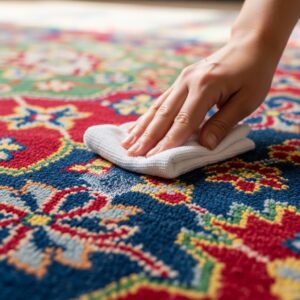
Once you spot the stain, act quickly but stay calm. Your first job is to remove as much fresh material as possible without pushing it deeper into the fibers. Use a clean white cloth or plain white paper towels and blot gently from the outside of the stain toward the center. Keep switching to a clean area of the cloth as the stain transfers.
Do not scrub. Scrubbing spreads the stain, roughs up the fibers, and increases the risk of dye disturbance. Older carpet-care guidance from the Carpet and Rug Institute also emphasizes blotting liquid spills with a dry, white absorbent cloth and specifically says not to scrub the area.
If the spill is semi-solid, carefully lift it first with a spoon or dull edge before blotting the remaining moisture. For drink spills, food accidents, or pet messes, speed matters. The sooner you blot, the less time the stain has to bind to the fibers.
This step may feel too simple, but it does more than people realize. In many cases, immediate blotting removes a surprising amount before any cleaning solution is even needed. It also gives you a better chance of preserving the color because you are not attacking the rug with friction right away.
Before using any cleaning product, even a mild one, test it in an inconspicuous part of the rug. Pick a hidden corner, the underside edge, or an area under furniture if possible. Apply a tiny amount of the solution to a white cloth, dab the test area lightly, and then press with a dry white cloth to see whether any dye transfers.
This is one of the most important steps for avoiding faded or bleeding colors. Some rugs look stable until moisture hits them. Others may not bleed immediately but can shift if too much solution is used. Testing first gives you a safer read on how the fibers and dyes might react.
The same rule applies to homemade solutions, store-bought spot removers, and popular internet cleaning tricks. Just because a method sounds gentle does not mean it is right for your rug. In fact, the more colorful or natural-fiber the rug is, the more important this test becomes.
If you see any color transfer at all, stop. That usually means the rug needs a more specialized area rug cleaning approach rather than more DIY effort. Saving the color is more important than forcing the stain-treatment step too early.
Start with the mildest effective option instead of jumping straight to a strong stain remover. In many cases, a small amount of water or a gentle, appropriate cleaning solution on a cloth is enough to begin lifting the stain. The IICRC’s consumer spotting guidance recommends blotting and repeating carefully, and it warns against using certain oxidizing solutions on wool or natural fibers without extensive testing because of possible color loss.
This is a good mindset for area rug cleaning in general. Use the least aggressive method that still gives you progress. Apply the solution to the cloth first rather than pouring it directly onto the rug. Then blot lightly. This helps control moisture and reduces the risk of spreading the stain or soaking the backing.
You may need several light passes instead of one dramatic treatment. That is normal. A gentle method used patiently is usually safer for the rug than a harsh treatment used once. In Humble homes, where rugs may sit in high-use living rooms, bedrooms, entryways, or family spaces, protecting the rug’s long-term appearance matters just as much as fixing today’s stain.
One of the easiest ways to damage a rug while trying to save it is to use too much liquid. Oversaturation can cause color migration, longer dry times, mildew risk, backing issues, or a stain that wicks back up as the rug dries. Safe-Dry’s low-moisture cleaning philosophy is built around avoiding excess water and sticky residue, and that kind of thinking is especially useful when dealing with rugs.
When you are treating a stain, think damp, not soaked. Use small amounts of solution, blot thoroughly, and keep checking the rug rather than flooding the area. If the stain covers a larger section, or if the rug is made from delicate fibers, stop before the spot-cleaning effort becomes a saturation problem.
If the stain is spreading, the color looks unstable, or the rug still holds odor or residue after careful blotting, it may be time for professional area rug cleaning in Humble, Texas. A careful, low-moisture approach can help protect the rug while giving you a better chance at removing the stain without fading the color.
Once you have tested the rug and started using a mild method, pay close attention to how you move around the stain. Always work from the outside edge toward the center. This helps keep the stain contained instead of pushing it wider into clean fibers. It is a simple technique, but it makes a big difference, especially on patterned or multicolored rugs where spread can become harder to track.
This matters even more with liquid spills and pet accidents. Moisture can travel fast through rug fibers and sometimes into the backing. If you start in the center and rub outward, the stain often grows instead of shrinking. The rug may end up with a larger dull ring or a faded-looking patch around the original spot.
Use a clean cloth each time you blot. If the cloth gets saturated with stain or cleaner, switch to a fresh section right away. This keeps you from putting removed residue back into the rug. Slow, controlled blotting usually looks less dramatic than scrubbing, but it protects the color better and often gives cleaner results in the end.
In Humble, Texas homes where rugs often sit under coffee tables, in family rooms, and near entryways, a contained cleanup is important. These are visible spaces. You do not just want the stain lighter. You want the rug to still look balanced when the work is done.
After the stain starts lifting, the next step is removing the remaining cleaner from the fibers. This is where many homeowners accidentally leave behind residue that attracts fresh dirt or makes the cleaned spot look stiff and off-color once it dries. A light rinse helps, but the word light is important.
Use a small amount of clean water on a white cloth and blot the treated area gently. Do not soak the rug. You are not washing the whole rug at this stage. You are simply trying to pick up leftover solution so it does not stay in the fibers. Repeat with a dry cloth right after to absorb as much moisture as possible.
If the rug feels wet deep below the surface, too much liquid has likely been used. Blot longer before doing anything else. A thick rug, shag rug, or dense synthetic rug can hold more moisture than it appears to on the surface. That is one reason area rug cleaning can be tricky at home. The top may look fine while the backing stays damp.
A light rinse followed by thorough blotting helps protect the rug from residue, wicking, and slow drying. It also helps preserve the look of the cleaned section so it blends better with the rest of the rug.
Drying is just as important as stain removal. If a rug stays damp too long, problems can show up even after the stain seems gone. Colors may shift, odor may linger, and the stain may wick back up from deeper in the fibers as the rug dries. Fast, even drying reduces those risks and supports a cleaner final result.
Start by pressing dry towels into the treated area to pull out as much remaining moisture as possible. Then improve airflow in the room. A ceiling fan, floor fan, or open air movement can help. If the rug is small and the care method allows it, raising the cleaned section slightly so air can move around it may also help.
Keep the rug out of direct harsh heat. The goal is steady airflow, not extreme temperature. Too much heat on certain fibers can create its own issues. You also want to keep people and pets off the damp area until it is fully dry so the fibers do not get crushed or re-soiled right away.
This is where a quick-drying mindset really matters. When stain removal turns into overwetting, everything after becomes harder. A rug that dries evenly is more likely to keep its color, texture, and clean look.
Many stains look different once the rug is fully dry. Some disappear nicely after a careful cleaning. Others lighten at first but then reappear faintly as leftover residue or deeper staining rises back up. This is why the recheck step matters. Do not judge the final result while the fibers are still damp.
Once the rug is dry, inspect the area in natural light if possible. Look for any color change, remaining shadowing, stiff texture, or ring around the cleaned spot. Run your hand over the area gently. If it feels crunchy or sticky, some cleaner may still be sitting in the fibers. If the stain is still visible but lighter, you may be able to repeat the same gentle process once more.
Avoid the temptation to suddenly use a much stronger method just because a little shadow remains. Rugs respond better to a second careful treatment than one harsh attempt that risks fading the color. If the second gentle pass does not solve it, the rug may need a deeper professional area rug cleaning rather than more home experiments.
This step saves a lot of frustration because it keeps you from overcorrecting too soon. Let the rug tell you how it responded before deciding what comes next.
Some stains can be handled safely at home. Others should not be pushed any further. If the rug is made from wool, silk, cotton, jute, or another delicate natural fiber, the risk of color loss is higher. The same is true for richly dyed rugs, vintage rugs, handmade rugs, and rugs with layered old stains that have already set in.
You should also stop and consider professional help if the stain is large, if odor remains after blotting, if the rug feels wet deep below the surface, or if any color transfer shows during testing. Those are all signs that the stain-removal process has moved beyond basic home care. At that point, the safest goal is no longer doing more. It is preventing more damage.
Professional area rug cleaning makes sense when you want better control, a more complete clean, and a lower chance of fading or distortion. This is especially true for rugs that protect your investment or anchor the look of an entire room. Replacing a damaged rug is usually far more frustrating than calling for help before things get worse.
Knowing when to stop is part of caring for the rug well. A successful cleaning job is not just one that attacks the stain. It is one that protects the rug while solving the problem.
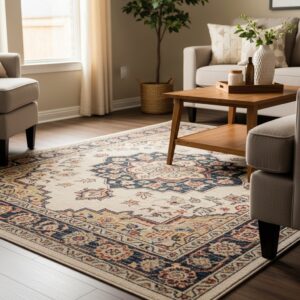
One of the biggest benefits of proper area rug cleaning is that it gives you a better chance of removing stains while preserving the rug’s original color and character. This matters because rugs are not only functional. They are often one of the main visual pieces in the room. When a rug has rich color, texture, and pattern, even a small faded patch can stand out more than the original stain.
A careful cleaning approach helps protect the balance of the rug. Instead of treating the stain like an isolated emergency, it treats the whole rug as a surface worth preserving. That means watching moisture, testing products, using gentle methods, and keeping the fibers from getting overworked. This is a major benefit for homeowners in Humble who want clean, fresh rooms without turning their favorite rug into a damaged one.
Stain removal feels much more successful when the rug still looks natural afterward. The goal is not just a lighter spot. The goal is a rug that looks refreshed, not overtreated.
Rugs collect more than visible spills. They also hold dust, tracked-in soil, crumbs, oils, pet dander, and everyday buildup that settles over time. Even when a rug does not look heavily soiled from across the room, it may still be holding onto layers of debris in the fibers. Proper area rug cleaning helps remove that buildup and can make the whole room feel fresher.
This matters in busy Humble households where rugs sit in high-use spaces like living rooms, bedrooms, dining areas, and entryways. People walk across them every day. Pets nap on them. Kids play on them. When rugs hold onto dirt and residue, the room can start feeling less clean overall even if the rest of the house is well maintained.
A cleaner rug often changes the feel of the room in a way people notice right away. The space feels lighter, more comfortable, and easier to enjoy. It is not only about appearance. It is about how the room functions and how clean it feels in daily life.
Area rugs take daily wear, especially in homes where they anchor major gathering spaces. Dirt and grit work like tiny abrasives over time. Stains, residue, and improper cleaning only add to that wear. A rug that is cleaned carefully and maintained well is more likely to keep its color, softness, and shape longer than one that goes through repeated cycles of buildup and aggressive spot treatment.
This is especially important for rugs that cost more, have sentimental value, or were chosen carefully to match the home. A rug is an investment in comfort and style. Protecting it means more than vacuuming occasionally. It means treating stains promptly, avoiding overwetting, and scheduling deeper area rug cleaning when routine care is no longer enough.
Longer rug life is one of the most practical benefits of good cleaning. It helps delay replacement, keeps the room looking put together, and protects something you already spent money and effort choosing.
A rug that has been cleaned properly is usually easier to care for afterward. Once residue and embedded soil are removed, regular vacuuming becomes more effective. Small spills are easier to catch before they turn into bigger stains. The rug also tends to feel more consistent underfoot because it is not holding onto sticky or stiff patches from old cleaning attempts.
This is one of the most overlooked benefits of professional-quality area rug cleaning. It does not just improve the rug for one day. It gives you a better starting point for all the days after. Home care works better when it is not constantly fighting old buildup.
For Humble homeowners with busy routines, that matters a lot. You want a rug that feels manageable, not one that always looks like it is one accident away from becoming a problem again. A real reset makes normal care feel more worthwhile.
Not every rug is built the same way. Some are thick and practical. Others are decorative, delicate, or made with fibers that do not respond well to rough treatment. Proper area rug cleaning helps protect those differences instead of ignoring them. This is especially important for wool rugs, cotton rugs, natural fiber rugs, patterned rugs, and color-rich decorative pieces.
A gentle, fiber-aware approach helps reduce the risk of fading, distortion, or roughened texture. That is a major benefit because once the fibers are damaged, the rug rarely looks the same again. Cleaning that protects the rug’s structure is just as valuable as cleaning that removes the stain.
This matters in real homes because many people do not own rugs just for utility. They choose them because they soften the room, add warmth, and reflect personal style. A good cleaning process respects that.
Rugs have a huge impact on the feel of a room. When they are stained, dull, or holding onto odors, the entire space can feel off even if everything else looks fine. Clean rugs help the room feel more finished, more welcoming, and more comfortable for daily life.
This is especially noticeable in living rooms, bedrooms, and family spaces. A cleaner rug can make furniture look better, help the room feel brighter, and support the overall clean-home feeling people want. In homes where guests come through often or where the rug is one of the main soft surfaces, the difference is even more noticeable.
Area rug cleaning is one of those services that improves both the appearance and the mood of a room. It helps restore the small comfort details that make a home feel cared for.
Trying to remove stains without damaging a rug can become a long process of guesswork. Many homeowners buy several products, try multiple online tips, and still feel nervous every time they touch the rug. Proper area rug cleaning helps cut through that uncertainty. Whether done carefully at home or handled professionally, a better method saves time and reduces the chance of making the situation worse.
This benefit is especially valuable when the rug is important to the room or when the stain happens during an already busy week. Most people do not want to spend hours testing random solutions and hoping the color survives. A more controlled cleaning process reduces stress and helps you feel more confident about the outcome.
A lot of homeowners in Humble want cleaning that works without turning the house into a harsh chemical zone. Rugs are close-contact surfaces. Kids sit on them. Pets lie on them. Daily life happens on and around them. Proper area rug cleaning supports a more family-safe routine by focusing on effective removal of dirt and stains without relying on excessive residue or overly harsh methods.
This does not just matter during professional service. It matters in home care too. When you build better habits around quick blotting, gentle testing, lighter moisture, and timely deeper cleaning, the rug stays in better shape and the room stays more comfortable.
A family-safe approach makes cleaning feel more practical, not more stressful. That is a big reason homeowners keep coming back to it.

One of the best ways to protect a rug from stains setting in and colors looking dull is simple, steady vacuuming. A rug that holds onto dry soil will wear down faster and look dirtier sooner, even if no major spill has happened. Dirt, dust, crumbs, and grit settle deep into rug fibers and gradually make colors look flat. In high-traffic Humble homes, that buildup can happen faster than people realize.
The key is to vacuum with intention. Do not rush through the middle and ignore the edges. Slow down enough to let the vacuum lift soil from the surface and from just below it. Pay extra attention to walkways, the space in front of couches, under dining tables, and areas near exterior doors. Those are the spots where rugs usually take the most daily abuse.
If the rug is delicate, fringed, handmade, or made from natural fibers, adjust your approach. Avoid aggressive beater bars or rough vacuum settings if they seem too harsh for the rug. Suction-only or gentler passes may be the smarter choice. The goal is to remove dry debris without roughing up the fibers or tugging on the construction.
Regular vacuuming also helps protect color in a more indirect way. When less dirt is sitting in the fibers, you are less likely to feel the need to over-clean the rug later. That means fewer emergency stain treatments, less scrubbing, and less risk of fading from repeated spot cleaning. In other words, dry soil removal is one of the easiest ways to keep a rug looking brighter without ever touching the dyes.
A fast response helps with almost any rug stain, but fast should never mean frantic. One of the biggest mistakes homeowners make is panicking and pouring multiple products onto the stain in the first few minutes. That often causes more trouble than the spill itself. The better move is to slow down and follow a simple order: blot, test, use the mildest safe method, and watch the rug carefully.
Keep clean white cloths or paper towels nearby so you are not searching for supplies while the stain spreads. When a spill happens, blot right away and lift as much moisture as you can before using any cleaner. If it is a thicker mess, remove the solid material first. Always work from the outside in and never scrub the rug hard, even if the stain looks stubborn.
This kind of calm response matters because the first few minutes are often when the biggest damage can happen. Too much rubbing can fuzz the fibers. Too much moisture can move the dye. Too much product can leave behind residue that makes the cleaned area attract dirt later. A controlled cleanup gives you a better chance of removing the stain while keeping the rug’s original look intact.
For families in Humble, this is one of the most useful habits to build. Life moves fast. Drinks spill. Pets track in messes. Kids drop snacks. If you already have a calm stain-response routine in place, you are much less likely to make a rushed decision that creates fading or distortion on a rug you otherwise could have saved.
A lot of people focus only on spills when they think about fading, but sunlight and heat can do just as much long-term damage to a rug’s color. Strong sun exposure can gradually bleach sections of a rug, especially if it sits near large windows or glass doors. Heat can also affect how fibers respond during cleanup if someone tries to speed-dry a stain with harsh direct heat.
In Humble homes, where bright daylight can pour into living rooms and family rooms, this is worth watching closely. Rugs placed in sunny areas may need occasional rotation so one section does not age faster than the rest. If a rug has vivid colors or delicate fibers, protecting it from heavy direct sun can help preserve its appearance over time.
This tip also matters during stain removal. When a cleaned section is drying, airflow is helpful, but extreme heat is not. Avoid blasting a delicate rug with intense heat tools in an effort to finish faster. That can set some stains, stress some fibers, or create uneven drying that makes the spot stand out more.
The goal is not to hide your rug from light forever. It is to be aware that color care is not only about what cleaner you use. It is also about the environment the rug lives in every day. Protecting the rug from long-term fading pressure helps every future cleaning effort work from a stronger starting point.
Area rugs rarely wear evenly. The same sections get stepped on, vacuumed, exposed to light, and hit with minor spills over and over again. Over time, that uneven use can make one side of the rug look older, flatter, or duller than the other. Rotating the rug every so often can help spread out the wear and preserve the color and texture more evenly.
This is especially important for rugs placed in heavy-use rooms like living rooms, hallways, dining areas, and bedrooms with traffic on one side of the bed. It also helps in rooms where furniture legs sit on the same part of the rug for long periods. A rug that never moves tends to age in a way that becomes noticeable much faster.
Rotation is not a magic fix, but it is one of those small home-care habits that supports the rug over the long run. It can reduce the visual contrast between worn areas and protected areas. It also helps you notice new stains, edge wear, or hidden buildup that may be developing under furniture or in low-visibility corners.
For homeowners trying to keep their rugs looking fresh without constant deep cleaning, this is one of the smartest low-effort steps. It helps protect the rug’s overall balance, which makes spot-cleaning results blend better and helps the rug continue looking like one consistent piece instead of several different aging zones.
A rug that has gone too long without a deeper cleaning often starts resisting every small cleanup attempt. Stains linger longer. Fibers feel rougher. Colors look dimmer. Vacuuming helps less. Even careful spot cleaning starts producing mixed results because old residue and embedded soil are already sitting in the rug. When that happens, the rug usually needs a reset more than another quick fix.
This is one of the clearest signs that professional area rug cleaning may be the smarter next step. A reset can remove accumulated dirt, old residue, trapped odor, and general traffic buildup that everyday care can no longer handle well. Once that deeper layer is gone, home maintenance becomes easier again. New spills are easier to catch. The rug looks cleaner longer. The room feels fresher without demanding constant attention.
Waiting too long often leads to more stress. Homeowners end up trying multiple spot-cleaning methods on top of old buildup, which increases the risk of color change and texture issues. A rug does not have to look ruined before you decide it needs help. In fact, it is better to act before the rug reaches that point.
For busy homes in Humble, this kind of reset can make a big difference. It protects the rug, saves time, and helps restore that cleaner-home feeling without turning rug care into a repeating problem every few weeks.
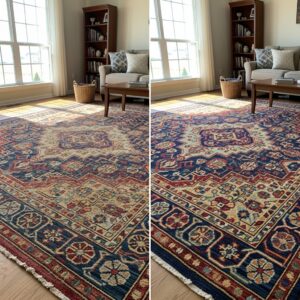
A stain may be what gets your attention, but it is not the only thing that matters during area rug cleaning. We believe the whole rug should guide the process. Fiber type, color stability, level of soil, moisture sensitivity, and overall wear all matter. That is one of the biggest differences in the way we think about rug care.
Some cleaning approaches focus only on attacking the spot. That can backfire fast, especially on rugs with richer dyes or more delicate construction. We look at the bigger picture. The goal is not only to lighten the stain. It is to protect the rug’s appearance, texture, and long-term condition while addressing the problem. That kind of care matters when the rug plays a major role in the room and in day-to-day family life.
For homeowners in Humble, this means a more thoughtful area rug cleaning experience. It is not about doing the harshest thing possible. It is about doing the right thing for the rug in front of us.
A lot of families want a cleaner rug but do not want the process to feel harsh or overwhelming. That is a major part of our broader cleaning philosophy. We focus on safer, more practical cleaning methods designed for real homes with kids, pets, guests, and everyday routines. We know rugs are close-contact surfaces. People sit on them, play on them, and walk across them constantly.
That is why we value approaches that aim to clean thoroughly without leaving behind sticky residue or creating unnecessary stress inside the home. A family-safe mindset is not about doing less. It is about cleaning more intelligently. It means thinking carefully about what is being applied, how much moisture is being used, and what the rug will feel like after the service is complete.
For many homeowners, that peace of mind matters just as much as the visual improvement. They want the rug to look better, but they also want the process to make sense for the people living around it every day.
One of the biggest risks in area rug cleaning is excess moisture. Too much water can lead to dye movement, odor, slow drying, backing issues, and that frustrating situation where a cleaned spot comes back looking worse after it dries. That is why our quick-drying mindset matters so much.
We believe a good clean should not leave a rug wet for too long or make the home harder to enjoy afterward. Controlling moisture helps protect both convenience and appearance. It supports a cleaner result while reducing the chance of the rug staying damp deep below the surface. This is especially important in Humble, where warm weather and active households can make practical dry times a real priority.
A faster-drying approach also fits real family life better. Homeowners do not want to block off rooms forever or wonder whether the rug is still damp underneath. They want the space back. Our low-moisture thinking helps support that.
A rug can look better for a day and still not be truly clean. Sometimes the improvement comes mostly from wet fibers and fresh product, not actual soil removal. Then the rug dries, the residue stays behind, and the problem returns. We aim for something better than that.
Residue-free thinking is a big part of what makes results last longer. When sticky cleaner is left in the fibers, new dirt grabs onto it quickly. The rug may start looking dull again much sooner than it should. That is frustrating for homeowners and hard on the rug over time. We want area rug cleaning to create a cleaner reset point, not just a short visual boost.
This matters because families in Humble are not looking for a result that only lasts until next week. They want a rug that feels fresher, behaves better with regular care, and stays more manageable after the service is done.
At the end of the day, rugs are personal. They soften a room, hold family memories, tie furniture together, and make a house feel more like home. That is why we do not treat area rug cleaning like a simple one-step chore. We treat it like care for something people actually live with and care about.
That perspective changes the service. It makes us think about comfort, timing, practicality, and how the rug fits into the rest of the home. It also means we respect that the customer is not just asking for stain removal. They are asking for help protecting something that matters to the space.
The safest way to remove a stain without fading the rug is to slow down and use a controlled method. Start by blotting the spill right away with a clean white cloth. Do not scrub, because scrubbing can spread the stain, rough up the fibers, and disturb the dyes. After blotting, test any cleaning solution in a hidden area before using it on the stain itself. That small step can help you catch color bleeding before it becomes a bigger problem.
Use the mildest safe method first. Apply a small amount of solution to a cloth rather than pouring it directly onto the rug. Then blot gently from the outside of the stain toward the center. Keep moisture light and controlled. Too much liquid is one of the fastest ways to create fading, bleeding, or a larger ring around the stain.
Once the spot begins lifting, blot with a little clean water to remove leftover cleaner, then dry the area as quickly as possible with towels and airflow. If the rug is delicate, richly colored, handmade, or made from natural fibers, the safest decision may be to stop early and move to professional area rug cleaning rather than risking permanent damage from repeated DIY attempts.
The short answer is this: do not use anything harsh, random, or untested. One of the worst things you can do is grab the strongest cleaner you have and pour it onto the rug in a hurry. Products that are too aggressive can strip color, damage fibers, leave sticky residue, or create a bright faded patch that looks worse than the original stain.
You also want to avoid over-wetting the rug. Flooding a stained area with water or cleaner may seem like a deep-cleaning move, but it often pushes the stain deeper, affects the backing, and increases the chance of dye movement. Hard scrubbing tools, stiff brushes, and rough cloths should also be avoided on most rugs because they can distort the texture and make the cleaned area stand out.
Another mistake is mixing multiple products together. Homeowners sometimes try one cleaner, then another, then a homemade trick from online, all on the same stain. That usually creates more risk and less control. Even a product that sounds gentle can still be wrong for a certain rug.
If you are unsure about the fiber, the dye stability, or the stain type, it is smarter to pause than to experiment too aggressively. Protecting the rug should stay the priority.
The best schedule depends on how the rug is used, where it sits, and who lives in the home. In many Humble households, area rugs in living rooms, entryways, bedrooms, and dining spaces take on daily traffic from shoes, kids, pets, and normal family routines. For many homes, a professional cleaning every 12 to 18 months is a good baseline. Heavier-use rugs may need attention sooner.
If the rug sits in a high-traffic space, you may start noticing that vacuuming no longer makes it look fresh, colors seem dull, or small stains are harder to remove than they used to be. Those are signs the rug may need a deeper reset rather than more surface-only maintenance. Homes with pets, allergies, children, or frequent entertaining may also benefit from more frequent area rug cleaning.
It is better not to wait until the rug looks obviously worn out. By that point, more soil, residue, and traffic buildup have already settled into the fibers. A timely professional cleaning can help preserve the color and overall condition before the rug starts fighting every cleanup attempt.
Think of professional cleaning as part of the rug’s long-term care, not just a rescue plan for emergencies. Regular care at the right time helps the rug stay easier to maintain between deeper cleanings.
Yes, professional area rug cleaning can help a lot with pet-related problems, especially when a rug is dealing with more than a surface stain. Pet accidents often go deeper than people think. Even when the visible spot looks small, moisture and odor can settle into the fibers, backing, and padding area beneath the rug. That is one reason a stain may seem gone at first but still smell later.
Home spot cleaning can help when the mess is caught quickly and handled carefully. Blotting right away, limiting moisture, and avoiding harsh products all matter. But when odor lingers, the stain keeps returning, or the rug still feels damp underneath, a deeper cleaning approach often makes more sense. Repeated DIY attempts can sometimes spread the problem or create fading in the process.
Professional service is especially useful for larger pet accidents, older spots, or rugs made from more delicate materials. It can also help when the homeowner wants a more complete reset instead of just reducing the visible mark. The goal is not only to improve how the rug looks. It is also to deal with what is trapped in the rug so the room feels fresher overall.
If the rug has sentimental value or plays a big role in the room, getting help early is often better than waiting until odor and discoloration become harder to manage.
It should be, and that is one reason many families care so much about the cleaning method. Rugs are part of daily life. Children play on them, pets nap on them, and everyone in the home walks across them constantly. Because of that, homeowners usually want a cleaning process that feels practical, sensible, and family-friendly rather than harsh or overwhelming.
A safer approach usually means focusing on effective cleaning without overusing residue-heavy products or unnecessary amounts of moisture. It also means paying attention to drying time. A rug that stays wet too long can be inconvenient and stressful in a busy home. Faster, more controlled drying helps the rug get back to normal use sooner and reduces the chance of lingering dampness.
For home spot cleaning, safety also comes from using a measured method. Test products first, use small amounts, blot instead of scrub, and avoid random chemical mixing. For professional service, it is reasonable to look for a company that values practical, family-safe cleaning rather than one that treats the rug like just another surface.
The overall goal is simple. You want the rug cleaner, fresher, and easier to live with after the service, not more difficult to manage. A good area rug cleaning approach should support that from start to finish.
This usually happens because the stain was only removed from the surface while deeper material stayed in the rug. As the rug dries, that leftover residue can travel back up through the fibers and become visible again. This is often called wicking, and it is especially common when too much liquid was used during the cleanup or when the stain had already soaked below the surface.
Another reason stains reappear is leftover cleaning product. If too much solution stays in the rug, it can attract soil and create a dull or sticky-looking patch after drying. Sometimes the area feels cleaner at first, but over the next day or two it starts looking off again. That is not always because the stain was impossible. It often means the cleanup was incomplete or over-wet.
To reduce the chance of this happening, keep moisture light, blot thoroughly, and dry the area quickly and evenly. A light rinse with clean water can help remove leftover product, but that step also needs to stay controlled. The goal is not to soak the rug again. It is to lift residue out while keeping the rug stable.
If a stain keeps coming back after careful home treatment, that usually means the rug needs a deeper professional cleaning rather than another round of aggressive DIY scrubbing.
A good rule is to stop when your effort starts putting the rug at risk. If you have already blotted carefully, tested a mild solution, used a controlled amount of moisture, and still are not seeing safe progress, it may be time to stop. The same is true if you notice color transfer during testing, dye instability, roughened fibers, a larger stain ring, or deep dampness that does not seem to dry out quickly.
Some rugs deserve even more caution from the start. Wool, cotton, jute, silk-like decorative rugs, handmade rugs, older rugs, and richly dyed rugs all carry a higher risk of fading or distortion when treated incorrectly. With those, the line between helpful DIY care and accidental damage is much thinner.
You should also stop if the stain is large, if odor remains trapped in the rug, or if you are starting to feel tempted to try stronger and stronger products just to force a result. That is usually the moment when the rug needs a different level of care, not more pressure.
Knowing when to stop is actually part of good rug care. It protects the color, texture, and overall life of the rug. A stain is frustrating, but permanent fading or fiber damage is usually much harder to fix.
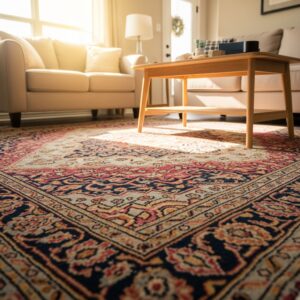
Getting stains out of a rug without fading the colors takes more patience than force. The best results usually come from a calm response, light moisture, careful testing, and a clear understanding that the rug itself matters just as much as the stain. When you protect the fibers, control the moisture, and avoid harsh shortcuts, you give yourself a much better chance of saving both the look and the life of the rug.
Here in Humble, Texas, rugs deal with real daily wear. They catch muddy shoes, food spills, pet accidents, dust, and all the little messes that come with a busy home. That is why smart area rug cleaning matters so much. It is not just about removing one spot. It is about keeping the room comfortable, protecting your investment, and making sure your rug still looks like it belongs in the space after the cleaning is done.
If your rug stain is not responding well to gentle care, if the color seems unstable, or if repeated cleanup attempts are creating more stress than progress, it may be time for a professional reset. A deeper cleaning can help remove trapped soil, leftover residue, and stubborn problem spots without pushing the rug further into damage.
When you are ready for a safer, more careful approach, contact Safe-Dry Carpet Cleaning of Humble, Texas. We can help you protect the color, refresh the rug, and bring back that cleaner-home feeling with professional area rug cleaning designed for real family life. Book your service today and let your rug look fresh again without the worry of fading or overdoing it.