Menu
close
Same-Day Service Available!
Tile floors are often chosen because they are durable, attractive, and easy to maintain. At a glance, they seem much simpler to care for than carpet. A quick sweep and mop usually make tile look clean, which leads many homeowners to believe that routine cleaning is all that is needed. Over time, however, tile and grout can begin to look dull, uneven, or permanently dirty despite regular care.
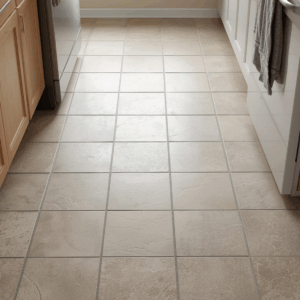
The biggest challenge is not the tile itself, but the grout. Grout lines are porous by nature, meaning they absorb dirt, moisture, and residue far more easily than tile surfaces. As everyday foot traffic, spills, and cleaning products build up, grout gradually darkens and traps grime that mopping alone cannot remove. This is why floors can look clean on the surface but still feel sticky, cloudy, or worn.
Kitchens, bathrooms, and entryways tend to show these problems first. These areas combine moisture, oils, and frequent use, which accelerates buildup in grout lines. Many homeowners respond by mopping more often or using stronger cleaners, only to find that the results do not last and the same discoloration quickly returns.
Understanding why tile and grout get dirty is the first step toward maintaining cleaner floors long term. Professional tile and grout cleaning is designed to address the buildup that routine cleaning leaves behind, helping restore a more even appearance and making floors easier to maintain moving forward. In this guide, we will explain what causes tile and grout to get dirty, why common cleaning methods fall short, and how professional cleaning helps protect your floors and your home.
Tile floors are often thought of as low-maintenance, but grout tells a different story. While tile surfaces are sealed and smooth, grout is porous and absorbs what tile repels. This difference is the main reason tile floors start to look dirty even when they are cleaned regularly.
Grout is designed to fill gaps between tiles, not to repel dirt or moisture. Its porous structure allows it to soak up everyday contaminants.
Over time, grout absorbs:
Once these materials settle into grout, they are difficult to remove with routine cleaning.
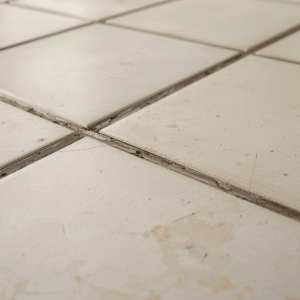
Mopping helps clean tile surfaces, but it can unintentionally push dirty water into grout lines. Instead of lifting grime out, the moisture carries dirt deeper into the grout.
This often leads to:
Some areas of the home experience more wear than others. Kitchens, bathrooms, and entryways combine frequent foot traffic with moisture and spills.
Common problem areas include:
Grout in these areas tends to discolor faster and is harder to keep clean.
Many store-bought cleaners leave behind residue that builds up over time. While they may improve appearance briefly, they can make grout attract dirt more easily.
Signs of residue buildup include:
Understanding why tile and grout get dirty so easily explains why regular mopping is not always enough. In the next section, we will look at the most common tile and grout problems homeowners face and why these issues tend to come back without deeper cleaning.
As dirt, moisture, and residue continue to build up in grout lines, a pattern of familiar problems begins to appear. Many homeowners recognize these issues but are unsure why they keep coming back, even with frequent mopping and spot cleaning.
One of the earliest and most noticeable signs of buildup is grout that looks darker than the surrounding tile. In many cases, the discoloration is uneven, making floors appear dirty even when the tile itself looks clean.
Homeowners often notice:
This happens because dirt is trapped below the surface, not on the tile.
Tile that once looked bright and smooth can start to appear hazy or dull. This is often caused by residue left behind from cleaning products or dirty mop water.
Common complaints include:
Residue buildup not only affects appearance, it also makes dirt stick more easily.
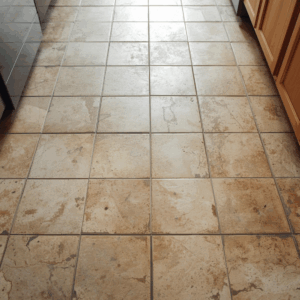
Kitchens and bathrooms tend to show tile and grout problems faster than other areas of the home. These spaces combine moisture, oils, and daily use, which accelerates buildup.
Typical problem spots include:
In these areas, mopping alone rarely removes what is embedded in the grout.
Grout can hold onto odors, especially when moisture or spills soak below the surface. Over time, this can lead to smells that return shortly after cleaning.
Odors often come from:
Because the source is below the surface, surface-level cleaning does not fully resolve the issue.
Another sign of buildup is tile that feels slick or sticky underfoot. This is often caused by residue left behind from cleaning products.
This can lead to:
These common tile and grout problems share the same root cause, buildup that routine cleaning cannot fully remove. In the next section, we will explain why mopping and DIY cleaning methods often fall short and how professional tile and grout cleaning helps address these issues more effectively.
Mopping and DIY cleaning play a role in routine maintenance, but they are not designed to address the deeper buildup that develops in grout. Understanding the limits of these methods helps explain why tile and grout problems often return so quickly.
Mopping is effective at removing loose dirt from the tile surface. It helps improve appearance short term, especially after spills or daily foot traffic.
What mopping does well:
What it does not do is remove what has soaked into grout lines.
As mop water becomes dirty, it spreads grime instead of removing it. That moisture carries dirt and residue directly into porous grout.
This often results in:
Instead of lifting dirt out, mopping can push it deeper.
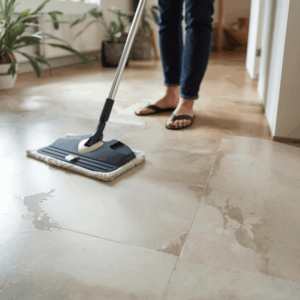
Store-bought grout cleaners may improve color briefly, but they usually focus on surface whitening rather than deep removal.
Common DIY limitations include:
Repeated use can cause residue buildup that attracts more dirt over time.
Aggressive scrubbing feels productive, but grout is softer than tile. Over time, harsh brushes and repeated scrubbing can wear grout down.
This can lead to:
Once grout is worn, it becomes even more difficult to keep clean.
Many homeowners fall into a cycle of mopping more often, using stronger cleaners, and scrubbing harder. The results improve briefly, then fade.
Signs you are stuck in this cycle:
When this happens, it usually means the problem is below the surface. In the next section, we will explain how professional tile and grout cleaning works and why it delivers longer-lasting results than routine cleaning methods.
Professional tile and grout cleaning is designed to address the buildup that routine mopping and DIY methods leave behind. Instead of focusing only on surface appearance, professional cleaning targets dirt, residue, and moisture trapped deep within grout lines and textured tile.
Professional tile and grout cleaning uses specialized equipment and techniques that reach below the surface of the floor. This allows embedded dirt and residue to be loosened and removed rather than pushed further into the grout.
Professional cleaning helps:
By removing buildup at its source, results last longer than surface-level cleaning.

Grout is softer than tile and can be damaged by aggressive scrubbing. Professional cleaning methods are designed to clean thoroughly without wearing grout down.
This approach helps:
Proper care keeps grout easier to maintain over time.
One of the biggest benefits of professional tile and grout cleaning is residue control. When residue is removed instead of replaced, floors stay cleaner longer.
Benefits include:
This makes regular mopping more effective after professional service.
Professional tile and grout cleaning is especially helpful in areas exposed to moisture and oils. Kitchens and bathrooms often see the most noticeable improvement because these spaces hold onto buildup the longest.
Homeowners often notice:
Beyond appearance, professional tile and grout cleaning helps protect flooring investment. Removing buildup reduces wear and keeps floors looking consistent throughout the home.
When combined with simple maintenance habits, professional cleaning makes tile and grout easier to care for and less prone to recurring problems.
In the next section, we will share practical tips homeowners can use to help maintain cleaner tile and grout between professional cleanings.
Professional tile and grout cleaning delivers the deepest results, but daily habits still matter. Simple maintenance steps can slow buildup, protect grout, and help floors stay cleaner longer between services.
Gentle, consistent cleaning is more effective than aggressive scrubbing.
For routine care:
These steps help prevent dirt from settling into grout lines.

Certain areas of the home collect more dirt than others. Paying attention to these zones helps reduce uneven wear and discoloration.
High-traffic areas include:
Cleaning these areas more frequently helps slow buildup.
Spills left unattended can soak into grout and cause staining or odors. Quick action makes a big difference.
When spills happen:
Prompt attention keeps problems from becoming permanent.
Much of the dirt that ends up in grout comes from outside. Reducing what enters the home helps protect tile floors.
Helpful habits include:
Less dirt entering the home means less buildup in grout lines.
Even with good habits, grout will eventually hold dirt that routine cleaning cannot remove. If grout lines remain dark, floors feel sticky, or odors return quickly, it may be time for professional tile and grout cleaning again.
Consistent maintenance helps extend results, but professional service is what truly resets the condition of tile and grout. In the next section, we will answer common questions homeowners have about tile and grout cleaning and what to expect from professional care.
Below are some of the most common questions homeowners have about tile and grout cleaning. These answers help clarify expectations and explain when professional cleaning makes the biggest difference.
Grout is porous and absorbs dirt, moisture, and residue. Mopping cleans the tile surface but often pushes dirty water into grout lines instead of removing what is trapped below the surface.
Most homes benefit from professional tile and grout cleaning every 12 to 18 months. Kitchens, bathrooms, and high-traffic areas may need service more often.
DIY cleaners may improve appearance temporarily, but they usually cannot remove deep buildup. Grout often darkens again once residue and moisture settle back in.
Yes. Professional cleaning uses methods designed to clean thoroughly without damaging tile or wearing down grout when performed by trained technicians.
Sticky floors are often caused by residue left behind from cleaning products or dirty mop water. Residue attracts dirt and causes floors to feel tacky.
Yes. Odors often come from moisture or residue trapped in grout. Professional cleaning helps remove the source instead of masking the smell.
Yes. These areas combine moisture, oils, and frequent use, which accelerates buildup in grout lines and makes routine cleaning less effective.
Professional cleaning can restore grout closer to its original color by removing dirt and residue, but it does not recolor or permanently alter grout.
Grout sealing can help slow future staining, but it does not remove existing buildup. Cleaning is needed before sealing is effective.
If grout lines stay dark, floors feel sticky, or discoloration returns quickly after cleaning, professional service is likely needed.
Tile floors are known for their durability, but grout requires more care than many homeowners expect. Because grout absorbs dirt, moisture, and residue, routine mopping and DIY cleaning methods often fall short. Over time, this leads to darkened grout lines, cloudy tile, lingering odors, and floors that never seem fully clean.
Understanding why tile and grout get dirty makes it easier to care for them properly. While regular maintenance helps slow buildup, professional tile and grout cleaning addresses what routine cleaning cannot reach. By removing embedded dirt and residue, professional cleaning restores a more even appearance and makes floors easier to maintain moving forward.
Pairing simple daily habits with periodic professional cleaning helps protect your floors, improve consistency across rooms, and reduce the frustration of recurring problems. If your tile and grout no longer respond to regular cleaning, it may be time to take the next step. Schedule now to experience professional tile and grout cleaning that helps bring back a cleaner, refreshed look to your home.